Cheap Flights to China for booking direct and connecting routes from Brazil
At TICKETS.COM.BR we compare real-time fares from over 1,200 airlines and booking sites flying from Brazil to China, including the main gateways Beijing, Shanghai and Guangzhou. We show round-trip, one-way and multi-city options so you can compare direct flights to China from Brazil or connections to find the lowest price.














How Much Do Flights to China Cost?
Flying from Brazil to China tends to be driven by long distance, few nonstop options and strong demand during business fairs and holiday periods, which can push prices up; heavy competition on major hubs and alternative gateways helps bring fares down. The live deal cards below reveal current cheapest fares and highlight the months with lower and higher prices so you can compare.
Cheap flight deals to China
If you want cheap flight tickets to China, start by comparing flights from Brazil to China across gateways — Beijing, Shanghai, Guangzhou and Shenzhen all see different fares. Routes are usually flown with one or two connections via Middle Eastern or European hubs rather than nonstop, so try alternate routings. Look at cheap flight tickets to Beijing versus cheap flight tickets to Shanghai, use flexible dates, set price alerts, compare multi city flight tickets to China, and check last minute cheap flight tickets to China if your dates are tight to catch China airfare deals.
How much does it cost to fly from Brazil to China, and when is the cheapest time to go?
Prices by departure city
One-way, from 1 city in Brazil, cheapest first
| Departure city | From | Cheapest month | Average price | Range over the year | Flight |
|---|---|---|---|---|---|
| ★São Paulo SAO | R$2,958 | Nov | R$3,614 | R$2,958 – R$142K | 1+ Stops |
Month-by-month prices from São Paulo (One-way)
| Month | From | Typical range | vs. average | Flight |
|---|---|---|---|---|
| October 2026 | R$3,908 | R$3,908 – R$38,641 | 1% above average | 1+ Stops |
| November 2026 | R$2,958 | R$2,958 – R$66,471 | 8% below average | 1+ Stops |
| December 2026 | R$3,107 | R$3,107 – R$10,675 | 32% below average | 1+ Stops |
| January 2027 | R$3,699 | R$3,699 – R$11,163 | 15% below average | 1+ Stops |
| February 2027 | R$3,429 | R$3,429 – R$10,285 | 35% below average | 1+ Stops |
| March 2027 | R$3,675 | R$3,675 – R$6,224 | 38% below average | 1+ Stops |
| April 2027 | R$3,748 | R$3,748 – R$6,282 | 37% below average | 1+ Stops |
| May 2027 | R$3,774 | R$3,774 – R$5,004 | 40% below average | 1+ Stops |
| June 2027 | R$3,771 | R$3,771 – R$5,314 | 38% below average | 1+ Stops |
| July 2027 | R$3,782 | R$3,782 – R$142K | 297% above average | 1+ Stops |
| August 2027 | R$3,774 | R$3,774 – R$7,529 | 23% below average | 1+ Stops |
| September 2027 | R$3,747 | R$3,747 – R$6,065 | 31% below average | 1+ Stops |
Prices updated on October 25, 2026 · based on TICKETS.COM.BR flight searches
Flights from Brazil to China start at R$2,958, averaging R$3,614, and fares tend to fall most often in November. Anything close to R$2,958 is a steal on China routes; over R$3,614 and you're paying peak prices for that trip.
Flying to China in November versus July can save about 22%, and even in July the cheapest seats often begin around R$3,782. Keep that contrast in mind when your dates are flexible for China.
For trips to China, book well before departure rather than last-minute to avoid big jumps; buying ahead usually keeps you nearer R$3,614. Waiting risks landing fares above R$3,614 for the same itinerary to China.
To save on flights to China, try flexible dates, set a price alert, compare nearby airports, and weigh one-stop options instead of direct service to chase R$2,958. Checking one-way combinations and alternate airports for China often drops the final fare closer to R$2,958.
Frequently asked questions
How much does it usually cost to fly from Brazil to China?
Expect fares from Brazil to China to start at R$2,958, with most tickets priced around R$3,614. Those averages cover a wide range depending on season and routing; if you can shift dates into November you often move a fare from near R$3,614 down toward R$2,958.
When is the cheapest time to fly to China?
The cheapest time to fly to China is typically November, while demand and fares climb into July. Flying in November instead of July can save about 22%, so if your schedule allows for China travel then aim for the low-demand month to lock in lower fares.
Best Time to Book a Flight to China
For flights from Brazil to China we see prices tend to settle a couple of months before departure when airlines load inventory for long-haul routes. Book in the middle window to avoid hefty last-minute premiums and the small uptick vendors sometimes add far in advance. Watch routes to Beijing, Shanghai and Guangzhou and set price alerts — fares often shift with trade fairs and holiday peaks.
Ready to search live fares to China?
Search live prices or set a price alert to compare many airlines with no markup.
Top attractions in China every traveler should see
Beijing, Shanghai and Guangzhou are major gateways for flights from Brazil to China and draw most visitors. Plan for long travel times and visa checks; peak demand around big trade events and holidays pushes fares up. Pick one region per trip to avoid long internal flights.

Open: 7:30 - 17:30
Best time to visit: Morning
Located in: Beijing, China

Open: 24/7
Entry fee: Free
Best time to visit: Evening
Located in: Shanghai, China

Open: 9:30 - 22:30
Best time to visit: Night
Located in: Guangzhou, Guangdong

Open: 8:30 - 17:30
Best time to visit: Morning
Located in: Xi'an, Shaanxi

Open: 24/7
Entry fee: Free
Best time to visit: Morning
Located in: Hangzhou, Zhejiang

Open: 7:30 - 18:00
Best time to visit: Morning
Located in: Chengdu, Sichuan

Open: 24/7
Entry fee: Free
Best time to visit: Evening
Located in: Lijiang, Yunnan

Open: 24/7
Entry fee: Free
Best time to visit: Afternoon
Located in: Qingdao, Shandong
Best seasons to visit China from Brazil: when to go and what to pack
China's weather and festivals vary a lot by region, so the season you pick changes what you see and how much flights cost. Below we break down travel tips for Winter, Spring, Summer and Fall with concrete places, activities and timing notes that matter for flights from Brazil.
Winter is great for Beijing, Xi'an and Harbin if you like cool days and smaller crowds; flights can be cheaper outside major holiday weeks. Pack a warm coat for northern nights and check flight connections — many routes from Brazil involve long layovers in one Asian hub.
Spring brings mild weather and blooming gardens in Shanghai, Hangzhou and Nanjing; demand rises around local holidays so watch for fare spikes and set alerts from Brazil early.
Summer heats up Guangzhou, Shenzhen and Kunming; domestic travel surges and some fares rise, but longer daylight suits multi-city trips. Bring light clothing and plan for afternoon rain in the south.
Autumn brings clear weather across China and comfortable temperatures for Beijing, Xi'an and Chengdu; it's a popular time for travel so use price alerts from Brazil to spot the lowest price flight tickets to China.
Frequently Asked Questions - Booking flights from Brazil to China with TICKETS.COM.BR
We compare hundreds of airlines and booking sites to show you the cheapest options for flights from Brazil to China. That means you see many fare choices, different routings and price classes side by side. We also offer price alerts so you can wait for drops or jump on last minute cheap flight tickets to China when a good deal appears.
No. The price you see is exactly the same as booking directly on the airline or booking site — we never add a markup or booking fee. We earn a small commission from the airline or booking site only when you complete a booking, and that comes from them, not from you. We are never paid to feature or rank any provider.
Yes, Brazilian passport holders normally need a visa to enter the People's Republic of China for most trip types. Visa rules change, so check the Chinese consulate site before you book and allow time for the application. Bring a passport valid for at least six months, printouts of your flight itinerary and hotel bookings for the visa appointment.
Direct flights to China from Brazil are limited and depend on seasonal schedules; many itineraries use a single long-haul carrier or a one-stop routing via a third-country hub. For reliable options, check both full-service carriers and connections listed in our search so you can compare nonstop and one-stop alternatives.
Book at least a couple of months ahead for the best balance of price and schedule, and use price alerts to catch drops. For big events like trade shows or national holidays in China, start looking earlier since fares and availability tighten quickly.
Flights from Brazil to major Chinese gateways like Beijing or Shanghai typically take many hours of flight time and usually include one stop; total travel time varies greatly with routing but expect long-haul durations and possible overnight segments when you compare China flight ticket price comparison results.
It depends on your plan: Beijing and Shanghai are the main international hubs, Guangzhou and Shenzhen serve the south, and Chengdu or Kunming suit southwest travel. Compare flight times and prices — sometimes flying into a secondary airport saves money and time on connections.
There are few true long-haul budget options on Brazil–China routes; most low-cost carriers operate regionally within Asia. For cheaper fares look for multi city flight tickets to China combined with low-cost regional legs once you arrive, and compare budget airlines flying to China for short hops inside the country.
You set an alert for your chosen route and travel dates, and we notify you when fares rise or drop. That helps you catch China airfare deals or last minute cheap flight tickets to China. Alerts are helpful when hunting round trip cheap flight tickets to China or one way cheap flight tickets to China options.
Bring a valid passport, a visa where required, and any health entry forms current at travel time. Keep digital and printed copies of your flight bookings and hotel details for immigration. If you are a student looking for discounted flight tickets to China for students, carry student ID and any supporting documents the carrier may ask for.
Practical travel guide to China from Brazil
Planning flights from Brazil to China needs clear steps: visas, main airports, rough flight times, and local tips. We cover transport, accommodation, safety, customs, finding cheap flight tickets to China, food and packing essentials so you arrive ready and avoid common hassles.
Getting around China is fast by high-speed rail and domestic flights. Major cities like Beijing, Shanghai and Guangzhou link with frequent trains; expect long-distance trains to take several hours to a day. For arrivals from Brazil you’ll usually land at a major international airport and then fly domestically or take a train to your final city. Buy train tickets online in advance and use taxi apps or metro cards in big cities.
China has options for every budget: hostels and business hotels near train stations, mid-range hotels in city centers, and international chains near major airports. Book near the metro to save time. During big events like the Canton Fair book well ahead. We look for deals and compare many sites so you can find affordable stays tied to cheap flight tickets to China.
China is generally safe for tourists, but watch for taxi drivers who refuse meters in some cities and for aggressive souvenir sellers at tourist sites. Use official taxis, ride-hailing apps where available, and keep copies of your passport. Keep an eye on crowded transport hubs and guard your bags; petty theft is the main risk.
Respect local etiquette: a light bow or nod is fine when meeting people, avoid loud phone calls on public transport, and know that tipping is not common in most places. Learn a few basic Mandarin phrases — they open doors in markets and local eateries. Carry a translation app and have addresses written in Chinese for taxi drivers.
To find the lowest price flight tickets to China, be flexible on dates and airports. Compare flights from Brazil to China across carriers and look at multi city flight tickets to China if you plan to visit several cities. Set price alerts with TICKETS.COM.BR, check round trip cheap flight tickets to China and one way options, and watch for fare drops around trade events like the Canton Fair if your travel overlaps those dates.
China’s food varies by region: Beijing has roast duck, Sichuan is famous for spicy hotpot in Chengdu, and Cantonese dim sum rules Guangzhou. Street food is often great; choose busy stalls. If you have dietary needs, learn how to say them in Chinese or show them written. Try local tea houses for a calmer break between sightseeing.
Balance big cities and cultural sites: combine Beijing for history, Xi'an for the Terracotta Army, Shanghai for modern city life, and Guilin or Yunnan for nature. Allow travel time between distant regions and prefer direct flights to China from Brazil when possible to cut total travel time. For multi-city trips, pick an entry and exit city to avoid backtracking.
Bring a universal power adapter, a copy of your passport and visa, offline maps, and basic meds. If you travel in winter to northern cities pack a warm coat; southern cities need lighter layers. Carry photocopies of important docs and have your accommodation addresses in Chinese for taxis.
What Airports Do You Fly Into for China from Brazil?
China has several major international gateways that travelers from Brazil use: Beijing, Shanghai, Guangzhou, Shenzhen and Chengdu. Choose the airport closest to your final destination to save time and domestic connections; we compare fares to all these airports so you can pick the best route.
Which airlines fly to China from Brazil?
Overview of carriers that serve routes between Brazil and China. We list full-service and connecting options you’ll meet on this long-haul route, plus regional Chinese carriers you may connect with after arrival.
Long-haul and one-stop options connecting Brazil with major Chinese gateways
Where to fly to from China with TICKETS.COM.BR?
Popular Chinese cities Brazilians fly to. We compare routes, show common arrival airports, and highlight why each city is worth visiting for business, trade shows or tourism.










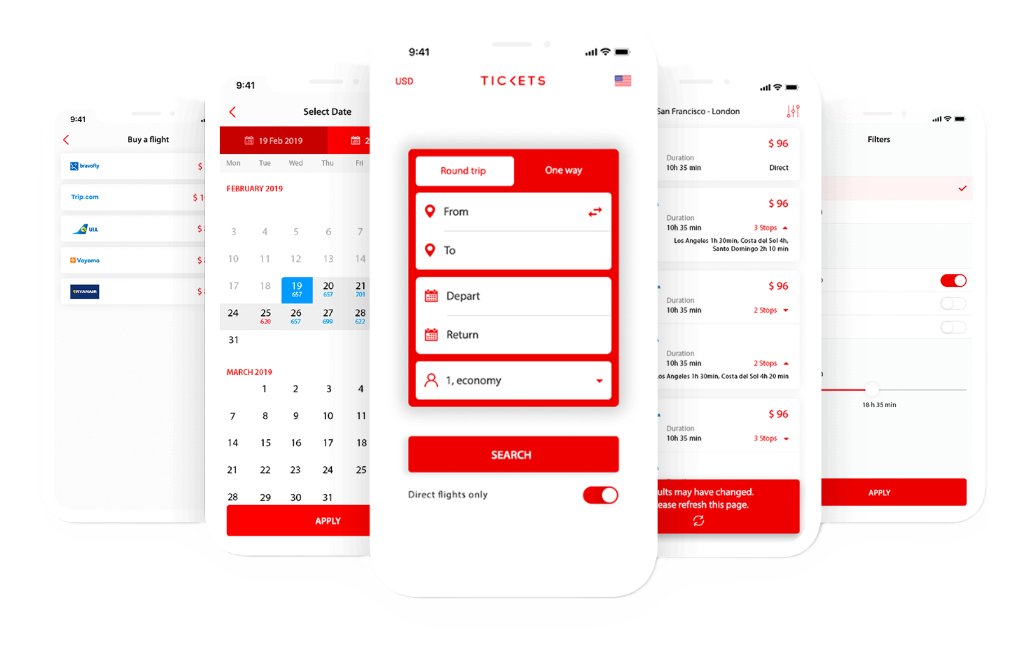
Compare flight prices on the go. The TICKETS iOS app searches 1,200+ airlines and booking sites in real time, so you find the cheapest fare anywhere — free, no signup, save trips and set price alerts.